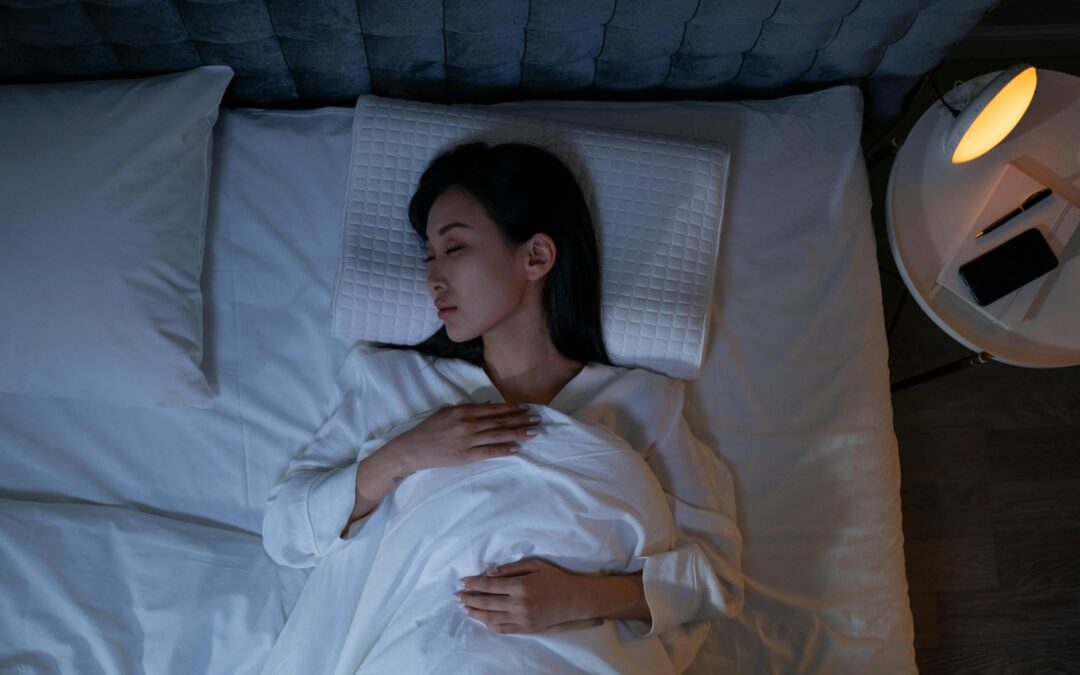
If there’s one thing that can make you look and feel ten years older almost overnight, it’s poor sleep. And if there’s one thing that can dramatically slow down aging, it’s consistently getting high-quality rest.
Sleep isn’t a luxury – it’s your body’s most powerful anti-aging tool.
What Happens When You Sleep
During deep sleep, your body releases human growth hormone (HGH) – the same hormone that kept you youthful and energetic in your 20s. HGH stimulates cell repair, collagen production, muscle recovery, and fat metabolism. Without adequate deep sleep, HGH production plummets, and the aging process accelerates.
Sleep is also when your brain clears out toxins through the glymphatic system. Poor sleep has been linked to increased risk of Alzheimer’s, cognitive decline, and memory problems – all associated with premature aging of the brain.
How Poor Sleep Ages You
- Skin damage: Just one night of poor sleep increases cortisol, which breaks down collagen. Chronic sleep deprivation leads to dull skin, dark circles, and accelerated wrinkle formation.
- Weight gain: Sleep deprivation disrupts hunger hormones (ghrelin and leptin), leading to increased appetite and cravings for sugary, processed foods.
- Weakened immunity: Your immune system repairs itself during sleep. Chronic sleep loss makes you more susceptible to illness and slows recovery.
- Hormonal disruption: Sleep affects testosterone, estrogen, and thyroid hormones – all critical for maintaining youthful energy and body composition.
6 Ways to Improve Your Sleep Starting Tonight
1. Set a Consistent Sleep Schedule
Go to bed and wake up at the same time every day – including weekends. Your circadian rhythm thrives on consistency. Even a one-hour shift can disrupt your sleep quality for days.
2. Cut Screen Time Before Bed
Blue light from phones, tablets, and computers suppresses melatonin production. Stop using screens at least one hour before bed, or use blue-light blocking glasses if you must.
3. Keep Your Bedroom Cool
Your body temperature needs to drop slightly to initiate sleep. Set your bedroom to 65-68F (18-20C) for optimal sleep conditions.
4. Limit Caffeine After 2 PM
Caffeine has a half-life of about six hours. That afternoon coffee at 3 PM means half the caffeine is still in your system at 9 PM, making it harder to fall asleep and reducing sleep quality even if you do drift off.
5. Create a Wind-Down Routine
Signal to your body that it’s time to sleep with a consistent pre-bed routine: light stretching, reading a physical book, journaling, or a warm bath. This trains your brain to associate these activities with sleep.
6. Get Morning Sunlight
Exposure to natural light within the first hour of waking sets your circadian clock and improves sleep quality that night. Step outside for 10-15 minutes each morning – no sunglasses needed.
Sleep Is Your Secret Weapon
Most anti-aging strategies require effort and discipline. Sleep is the one that simply asks you to rest. Prioritize it, protect it, and watch how quickly your energy, appearance, and overall health begin to improve.
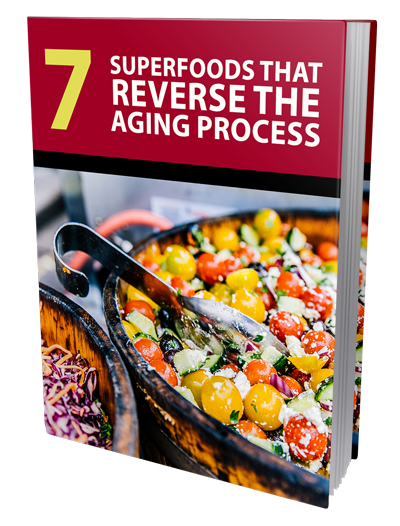
Ready for a complete approach to reversing the aging process? Start with our free superfoods guide and give your body what it needs to regenerate while you sleep.