When most people think about anti-aging exercise, they picture hours on a treadmill. But recent research shows that the most effective exercises for reversing biological aging might surprise you.
Here’s what science says about the best types of movement for turning back the clock.
Resistance Training: The Anti-Aging Powerhouse
After age 30, you lose 3-8% of your muscle mass per decade – a process called sarcopenia. This isn’t just about looking toned. Muscle loss leads to slower metabolism, weaker bones, poor balance, and increased risk of injury.
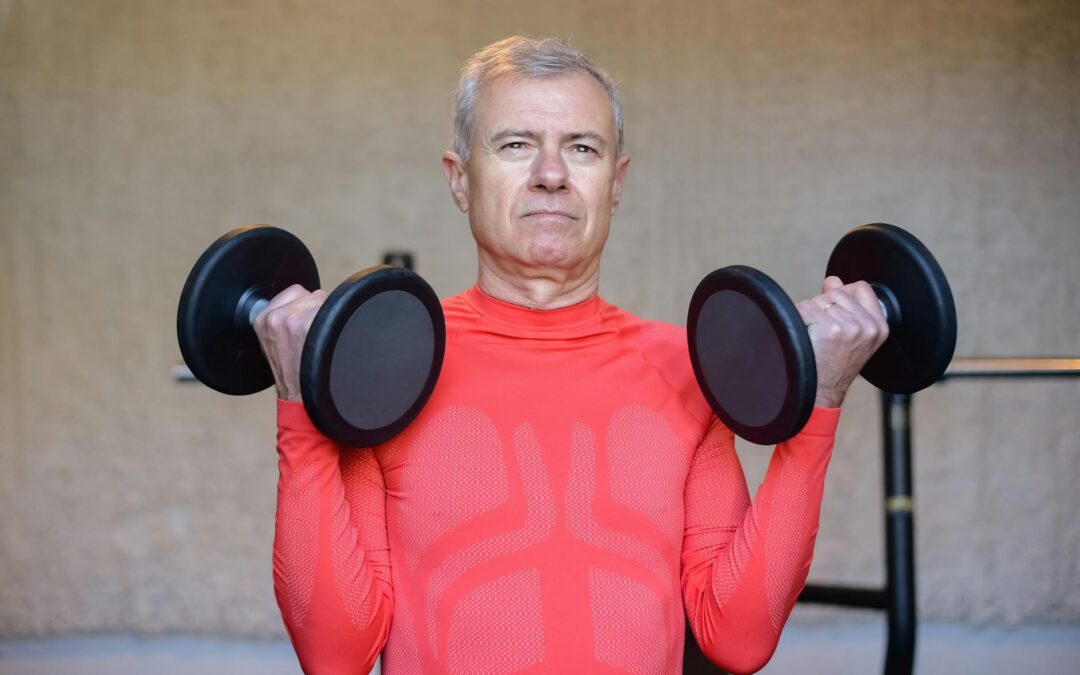
Resistance training directly reverses this. Studies show that even people in their 70s and 80s can rebuild significant muscle mass with consistent strength training. And the benefits go beyond muscle – weight training increases bone density, improves insulin sensitivity, and boosts growth hormone production.
You don’t need to become a bodybuilder. Two to three sessions per week with basic movements like squats, push-ups, rows, and lunges is enough to see real results.
High-Intensity Interval Training (HIIT)
A landmark study from the Mayo Clinic found that HIIT actually reversed age-related decline at the cellular level. Participants who did HIIT showed increased mitochondrial capacity – meaning their cells were literally producing more energy, the way younger cells do.
HIIT involves short bursts of intense effort followed by recovery periods. A simple example: 30 seconds of fast walking or cycling followed by 90 seconds of easy pace, repeated 8-10 times. The entire workout takes 20-25 minutes.
Walking: The Underrated Anti-Ager
Don’t underestimate the power of daily walking. Research published in the British Journal of Sports Medicine found that brisk walking for 30 minutes a day was associated with up to 16 years of biological age reduction based on telomere length.
Walking reduces cortisol, improves cardiovascular health, supports joint mobility, and helps maintain a healthy weight. It’s also the most sustainable form of exercise – you can do it every day without risk of overtraining.
Flexibility and Balance Work
Yoga, stretching, and balance exercises may not build muscle, but they protect your joints, improve posture, and reduce the risk of falls – one of the biggest health threats as we age. Maintaining flexibility also keeps you moving freely, which is essential for staying active and independent.
The Best Anti-Aging Exercise Program
The ideal program combines all four types:
- 2-3 days per week: Resistance training (20-30 minutes)
- 1-2 days per week: HIIT sessions (15-20 minutes)
- Daily: Walking (30+ minutes)
- 2-3 days per week: Stretching or yoga (10-15 minutes)
The most important thing is consistency. A moderate routine you stick with for years will always beat an intense program you quit after a month.
Looking for more strategies to reverse the aging process? Watch our masterclass for a comprehensive approach to reclaiming your youthful body and energy.